
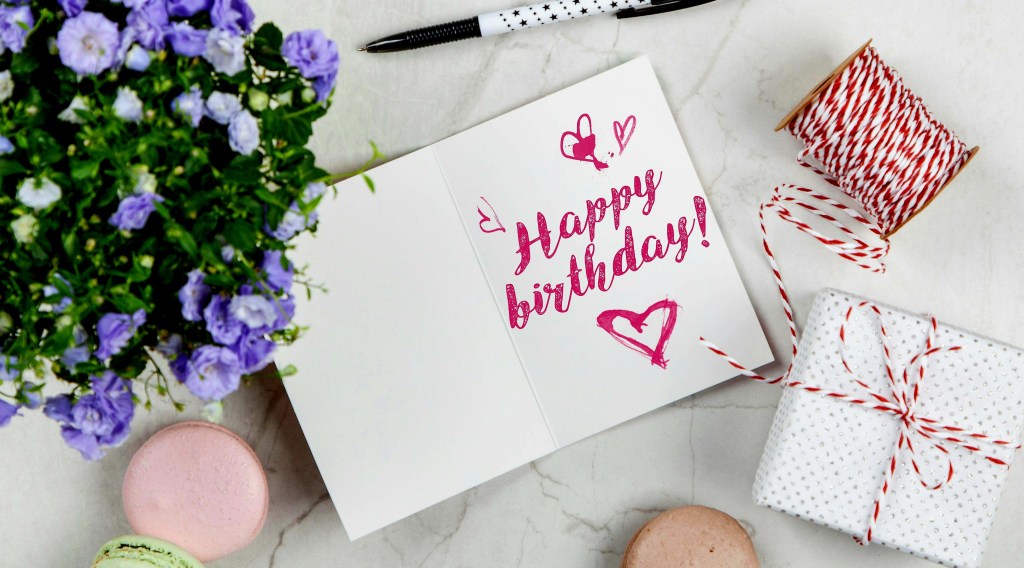
Birthdays are universally acknowledged as special days, a time when we gather with loved ones, reflect on our lives, and celebrate the passage of another year. However, the significance of birthdays goes far beyond cake and gifts. This blog delves into why birthdays are so important, exploring their cultural, religious, and psychological impact. It also considers whether the excitement and anticipation they generate are justified, and how birthdays can serve as a catalyst for personal growth and self-discovery.
The Deep Significance of Birthdays
At the heart of every birthday lies the recognition of life itself. Birthdays are a reminder that we’ve been given another year to grow, learn, and experience the world. They mark the anniversary of our birth, a momentous occasion that signifies the beginning of our journey on this planet. Every year, we have the opportunity to celebrate this journey, reflecting on our achievements, challenges, and the person we’ve become.
Birthdays are also a powerful symbol of time. They remind us that life is finite and that each year is a precious gift. This awareness can inspire us to live more fully, appreciate the moments that matter, and make the most of the time we have. For many, birthdays are a time of introspection, where they take stock of their lives and set intentions for the year ahead.
Cultural and Religious Perspectives on Birthdays
Across the globe, different cultures and religions celebrate birthdays in unique and meaningful ways. These traditions highlight the importance of birthdays and the role they play in our lives.
Christianity: In Christianity, birthdays are celebrated as a blessing from God, a time to give thanks for the gift of life. The most significant birthday in Christianity is Christmas, celebrating the birth of Jesus Christ. On personal birthdays, Christians often reflect on their spiritual journey, offer prayers of gratitude, and seek God’s guidance for the coming year.
Islam: In Islam, personal birthday celebrations are less common, but the birthday of the Prophet Muhammad, known as Mawlid al-Nabi, is widely observed. This day is marked by prayers, readings from the Qur’an, and charitable acts. For Muslims who do observe personal birthdays, the focus is often on gratitude to Allah for the gift of life and reflection on their spiritual progress.
Hinduism: Birthdays in Hinduism are seen as auspicious days, often celebrated with rituals, prayers, and acts of charity. Hindus may perform a puja (worship ceremony) on their birthday to seek blessings from the gods and thank them for their protection and guidance. The birthdays of deities, such as Krishna Janmashtami, are major celebrations that include fasting, singing, and reenactments of divine stories.
Judaism: In Judaism, birthdays are significant, especially milestone birthdays such as the Bar Mitzvah and Bat Mitzvah, which mark a young person’s transition to adulthood and their responsibilities within the Jewish community. Personal birthdays are often celebrated with family and community, reflecting on the individual’s growth and their contributions to the faith.
Buddhism: In Buddhism, birthdays are observed as a time for reflection on the impermanence of life. The birthday of Buddha, Vesak, is a major celebration that honors his birth, enlightenment, and passing with prayers, meditation, and acts of compassion. Personal birthdays in Buddhism are less about material celebration and more about spiritual introspection and growth.
The Psychology of Birthdays: More Than Just a Party
Birthdays have a profound psychological impact on us. They are days when we feel recognized, valued, and loved by those around us. This recognition can boost our self-esteem and reinforce our sense of belonging. Birthdays also serve as a personal checkpoint, prompting us to reflect on the past year, assess our progress, and set new goals for the future.
However, birthdays can also evoke a range of emotions. For some, they are a time of joy and celebration, while for others, they may bring about feelings of anxiety or sadness, especially if they feel they haven’t achieved what they hoped to by this point in their lives. The passage of time can be both a motivator and a source of stress, reminding us of our mortality and the importance of making the most of each year.
Despite these mixed emotions, birthdays are ultimately a powerful tool for self-discovery. They encourage us to think deeply about our lives, our purpose, and our direction. Whether we choose to celebrate with a big party or a quiet day of reflection, birthdays are an opportunity to honor the person we’ve become and to set our sights on the future with renewed determination.
Is the Birthday Hype Justified?
Given the deep significance of birthdays, it’s easy to see why they generate so much excitement and anticipation. While some may view the celebrations as excessive, for many, birthdays are a rare opportunity to focus on themselves, reflect on their journey, and celebrate their existence. The joy and happiness that come with birthdays are not just about the festivities—they are about recognizing the value of life itself.
Birthdays are also a time for new beginnings. Just as the New Year offers a fresh start for everyone, birthdays provide a personal reset—a chance to reassess our lives, set new goals, and embrace change. Whether it’s through setting resolutions, making lifestyle changes, or simply resolving to live more fully, birthdays are a powerful motivator for personal growth and transformation.
In conclusion, birthdays are far more than just another day on the calendar. They are moments of celebration, reflection, and renewal that touch on the most important aspects of our lives. Whether viewed through the lens of culture, religion, or personal growth, birthdays are significant events that deserve to be celebrated. So, the next time your birthday comes around, take the time to appreciate it fully—because it’s not just a day to mark another year; it’s a celebration of life, love, and the endless possibilities that the future holds.
 Namrata's Diary
Leave a comment