
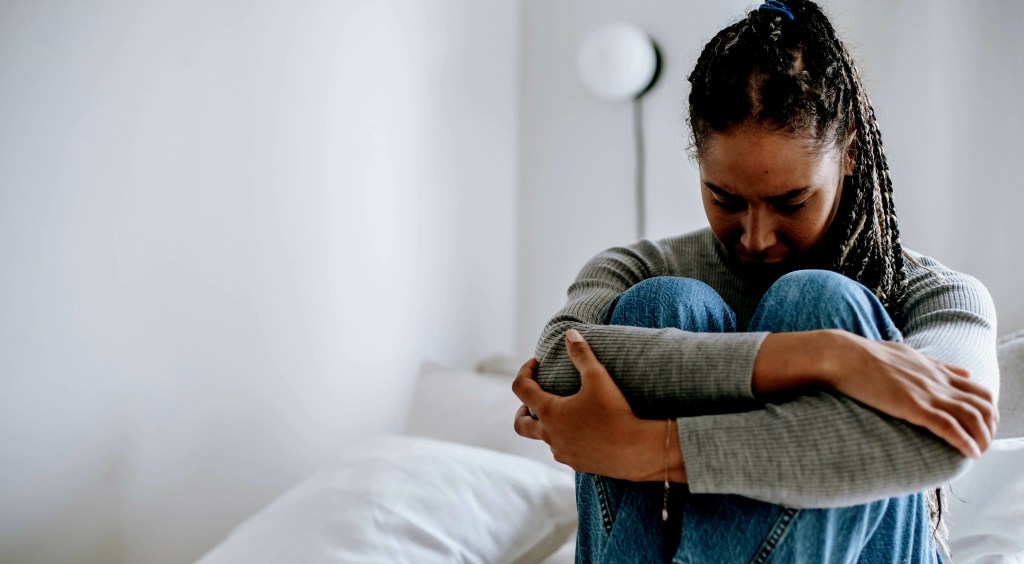
We often see healing as something that happens after the storm — once the tears dry, the people change, or time finally does its magic. But healing isn’t an aftermath. It’s not something that begins when everything calms down; it’s something that starts when you decide to face what’s been stirring inside you.
For most of us, healing begins as a reaction. Someone hurt us, something changed, or life didn’t go as planned. And so we tell ourselves, “Once this is over, I’ll feel fine.” But that’s where we unknowingly trap ourselves — by tying our healing to the end of a chapter, a person, or a time frame.
The truth? Healing doesn’t happen because something ends. It happens because you choose to begin again.
We Mistake Healing for Forgetting
One of the biggest myths about healing is that it’s about forgetting the past or pretending it never happened. But healing isn’t about erasing memories — it’s about releasing the weight they carry.
You can remember without hurting. You can revisit without reliving. You can accept what happened without letting it define your every thought.
Healing is not pretending you’re okay. It’s learning to hold your pain without letting it hold you. It’s understanding that even the most broken parts of you deserve your compassion, not your judgment.
Because if you try to rush or suppress what you feel, you only delay the process. Healing demands honesty — the kind that makes you sit with discomfort long enough to understand where it comes from.
Every Journey Has Its Own Rhythm
We live in a world obsessed with speed — even in healing. We want quick fixes, fast answers, instant peace. But emotions don’t work like that. They don’t obey deadlines or logic.
Your healing might not look like someone else’s, and that’s perfectly fine. You might take longer. You might fall back a few times. You might still cry over things you thought you’d outgrown — and that doesn’t mean you’re weak. It means you’re human.
Two people can experience the same loss and walk completely different paths toward peace. Because healing doesn’t follow a universal route. It follows the pace of your soul — and the soul doesn’t rush.
Healing Is Not About Others — It’s About You
We often attach our healing to others: the person who hurt us, the apology we never got, or the closure we’re still waiting for. But waiting for someone else to heal you keeps you bound to the very thing that broke you.
No one else can feel what you feel or know what it’s like to be inside your heart. Which is why healing can’t come from the outside. It’s an inward process — one that’s quiet, uncomfortable, and deeply personal.
People can guide you, love you, or support you — and that helps. But at the end of the day, healing is your own conversation with yourself. It’s you asking, “What do I need to feel safe again?” and then having the patience to listen.
Healing Is a Rebuilding of Self
Healing doesn’t mean going back to who you were before the pain. That version of you no longer exists — and that’s okay. You’re meant to evolve.
Healing is about rebuilding — piece by piece, thought by thought. It’s about finding new meaning in things that once broke you. It’s realizing that your scars are not signs of weakness but proof of survival.
When you start healing for yourself, not to prove anything to others, you stop needing validation. You stop explaining your process. You stop feeling guilty for taking time.
You start understanding that healing is not about being unhurt — it’s about being whole again.
There’s Strength in Stillness
Sometimes the most powerful thing you can do is nothing — to stop forcing progress, stop pretending strength, and simply sit with what is.
Healing happens in silence, in moments of stillness when no one’s watching. It’s in the way you breathe through pain, the way you talk to yourself after a bad day, and the way you choose not to give up on yourself even when it’s hard.
You don’t have to rush toward “better.” You just have to keep showing up for yourself — gently, consistently, and with faith.
In the end, healing is not a milestone; it’s a movement. It’s the slow, invisible work that happens when you start choosing peace over patterns, growth over guilt, and love over fear.
It’s not person-defined. It’s not time-bound.
It’s you — learning to be at home within yourself again.
 Namrata's Diary
Leave a comment