
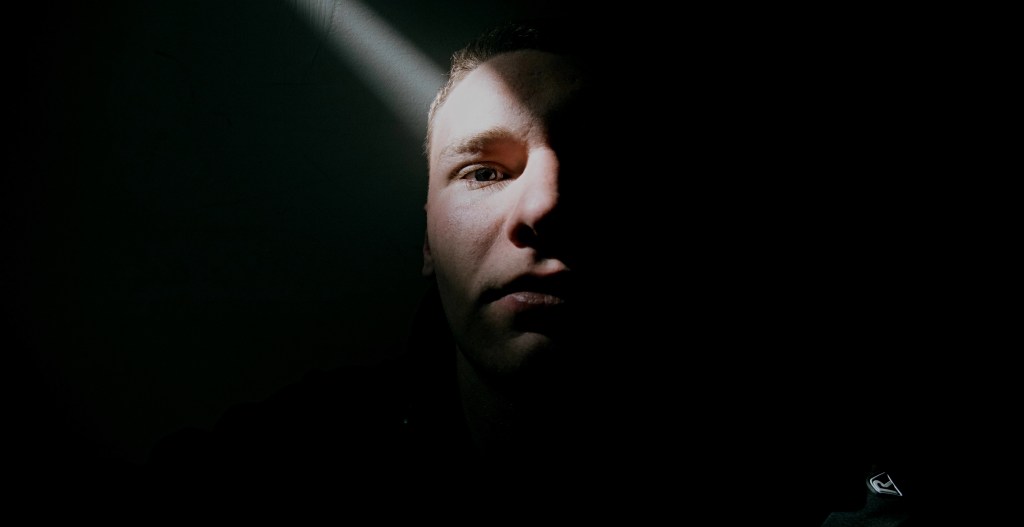
Growth is often romanticized as a story of triumph — of resilience, evolution, and self-discovery. But no one tells you that transformation can ache. That the path to peace can feel like loss.
Because sometimes, becoming who you’re meant to be means grieving who you once were.
We celebrate growth as success — but beneath every breakthrough lies quiet mourning. Of people, patterns, and versions of self that no longer fit.
The Hidden Science of Emotional Transition
The American Psychological Association reports that nearly 68% of adults experience emotional distress during major life transitions — even when the change is positive.
Why? Because the brain resists uncertainty.
Studies from Harvard University (2023) reveal that the amygdala, the emotional center of the brain, reacts to personal change in the same way it does to loss. To your mind, transformation feels like a small death — an ending of what was known.
Even the World Health Organization identifies that 1 in 3 adults experience “transition anxiety,” a state of temporary disconnection or restlessness during periods of change. The symptoms — fatigue, nostalgia, doubt — mirror the early stages of grief.
It’s not weakness; it’s wiring.
Our nervous system interprets the unfamiliar as unsafe, even when it’s growth in disguise.
Why Growth Feels Like Grief
Grief isn’t always about losing people — sometimes it’s about losing patterns, places, and beliefs that shaped us.
You start saying no to things you once tolerated. You feel out of sync with circles that once felt like home. That quiet dissonance? It’s your soul outgrowing its old container.
According to Yale’s Center for Emotional Intelligence, people pursuing personal growth goals experience a 22% dip in emotional stability during the first six months of transformation. That discomfort is the emotional “tax” of becoming new.
So if you’ve ever felt sadness in the middle of your progress — that’s not regression. It’s recalibration.
The Paradox of Progress
A LinkedIn Workforce Report (2024) found that 72% of professionals making lifestyle or career shifts described the first phase as emotionally draining despite long-term fulfillment.
It echoes one truth:
Growth rarely feels good while it’s happening.
We often mistake emotional turbulence for failure, when it’s actually feedback. It’s the psyche stretching to fit a larger version of itself.
Growth demands the death of familiarity.
And grief — the ache we feel — is simply our system adjusting to expansion.
Grief as a Gentle Teacher
If we looked at growth like an equation, it might read:
Growth = Discomfort + Reflection – Resistance.
Every time we evolve, we rewrite our emotional DNA. We unlearn reaction, embrace reflection, and build resilience.
And like any deep shift, it requires mourning what no longer aligns.
The beauty of this grief is that it isn’t an ending — it’s an upgrade. It’s your body, mind, and spirit syncing to a higher frequency of awareness.
So when growth feels heavy, remember — it’s not a sign you’re breaking down. It’s evidence you’re breaking open.
Letting Growth Be a Gentle Journey
Growth is not always loud. It’s quiet, introspective, and deeply human. It happens in pauses — in those moments between what ended and what’s yet to begin.
If you ever find yourself caught in that in-between — where joy hasn’t arrived but the old world has faded — don’t rush it. Sit with it. That’s the sound of transformation unfolding.
Because when growth feels like grief, it’s not the end — it’s the whisper of becoming.
 Namrata's Diary
Leave a comment